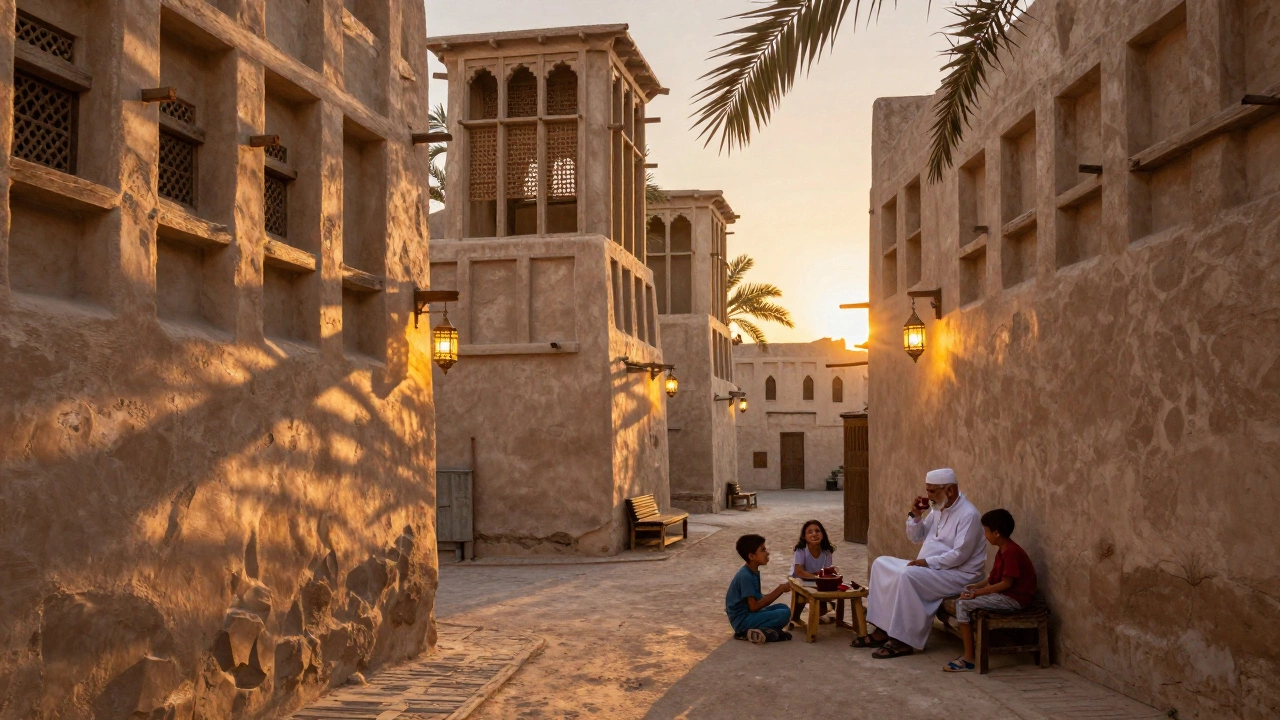
Dubai isn’t just about glittering towers and luxury shopping malls. Beneath the glass and steel lies a deep, layered history that shaped who the city is today. Walk through Al Fahidi Historical Neighborhood and you’ll find wind-tower houses built over 150 years ago, designed to catch the breeze and keep interiors cool long before air conditioning existed. These aren’t museum pieces-they’re lived-in homes, restored with care, where Emirati families still gather for tea and storytelling. The city’s identity didn’t start with billionaires and yachts. It began with pearl divers, Bedouin traders, and fishermen who navigated the Gulf’s waters using stars and currents.
If you’re looking for relaxation after a day of exploring, some visitors turn to services like happy ending spa dubai, though it’s worth remembering that Dubai’s cultural norms remain deeply rooted in tradition. What’s available for tourists doesn’t always reflect what locals practice or value. The city offers plenty of authentic wellness experiences-traditional Arabic hammams, rose-oil body scrubs, and herbal steam treatments-that honor centuries-old practices without crossing into territory that clashes with local values.
Old Dubai: Where History Still Breathes
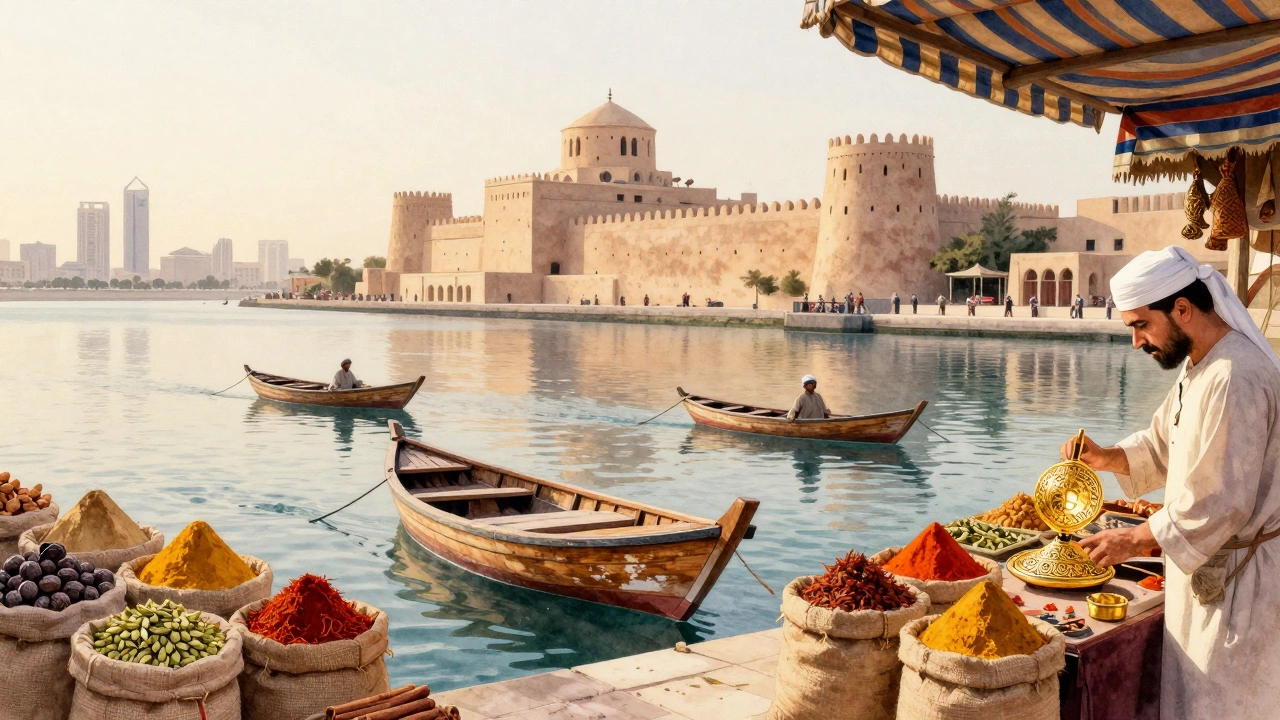
The Dubai Creek, once the lifeblood of the city, still bustles with abras-wooden boats that ferry people across the water for just a few dirhams. On its banks, you’ll find spice souks where cardamom, saffron, and frankincense fill the air. Vendors here remember customers by name, not barcode. Visit the Gold Souk and you’ll see artisans handcrafting intricate pieces using techniques passed down for generations. These places aren’t tourist traps. They’re working markets, where real commerce happens, and where you’re more likely to be offered a cup of karak tea than a sales pitch.
Just a short walk away, the Dubai Museum, housed in the city’s oldest building-Fort Al Fahidi-tells the story of how a desert settlement became a global hub. Exhibits include reconstructed dhows, traditional clothing, and tools used by early settlers. One display shows how water was collected from deep wells and stored in underground chambers called barjeels. These weren’t just engineering feats-they were survival strategies.
Heritage Over Hype
Many travelers skip the past in favor of the Burj Khalifa or Palm Jumeirah. But those who take the time to learn about Dubai’s roots come away with something deeper than photos. You’ll understand why Emiratis take pride in their heritage: it’s not about showing off wealth, but about honoring resilience. The UAE didn’t become a nation by accident. It was built through unity, vision, and respect for tradition-even as it raced toward the future.
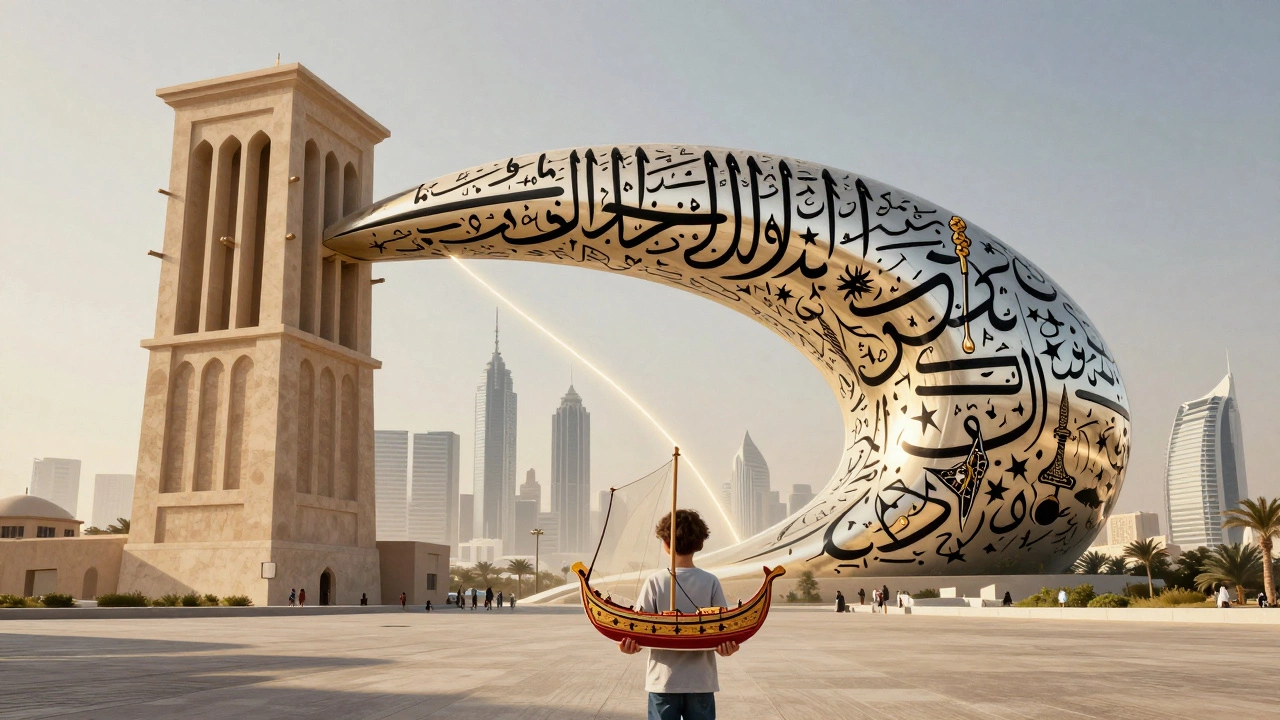
Look closely at the architecture of newer buildings like the Museum of the Future. Its curved form and Arabic calligraphy aren’t just design choices-they’re nods to the past. Even Dubai’s most futuristic projects carry echoes of its history. That’s not coincidence. It’s intention.
What You Won’t See on Instagram
There’s a side of Dubai most tourists never encounter. Early mornings in Al Quoz, where local craftsmen repair wooden boats and weave mats from palm fronds. Friday markets in Al Ain, where families sell dates, honey, and handmade pottery. The quiet courtyards of mosques where children learn Quranic verses in soft voices. These moments aren’t curated for cameras. They’re part of daily life.
Ask a local about their favorite memory of Dubai, and you’ll often hear about childhood trips to the beach, fishing with their grandfather, or the smell of oud burning during Ramadan. These aren’t grand events. They’re quiet, personal, and deeply meaningful.
Respecting Culture While Exploring
Dubai welcomes visitors with open arms, but it expects respect in return. Dress modestly in historic districts. Remove your shoes before entering homes or religious sites. Never take photos of people without asking. These aren’t rules to punish tourists-they’re signs of mutual respect.
Some travelers search for experiences that blur cultural lines, like massage erotic dubai, but those services exist in a gray zone. Dubai enforces strict laws around public decency and adult services. What’s advertised online doesn’t always match reality. The city’s real richness lies in its traditions, not in attempts to mimic foreign nightlife.
Where to Start Your Cultural Journey
- Visit Al Fahidi Historical Neighborhood-free entry, open daily from 8 AM to 8 PM
- Take an abra ride across Dubai Creek-costs about 1 AED per person
- Explore the Dubai Museum inside Fort Al Fahidi-entry is 3 AED for adults
- Join a guided heritage walk with a local historian-book through Dubai Culture
- Try a traditional Emirati meal at Al Fanar Restaurant or Al Sabkha
These aren’t just activities. They’re invitations to understand a place that chose to remember its roots even as it reached for the stars.
Why This Matters Now
Dubai is changing fast. New developments rise every year. But the more the skyline grows, the more important it becomes to hold onto what came before. Young Emiratis are leading a cultural revival-opening heritage cafes, launching traditional craft workshops, and teaching history in schools. They know their future depends on not forgetting their past.
When you visit Dubai, you’re not just seeing a city. You’re stepping into a story that’s still being written. And if you listen closely, you’ll hear the whispers of pearl divers, the clink of tea cups in courtyards, and the rhythm of a culture that refused to be erased.
For those seeking a different kind of experience, some turn to services like erotic massage dubai marina. But the real luxury here isn’t found in private rooms or hidden services-it’s in the quiet moments: watching the sunset over the creek, tasting freshly baked khubz bread, or listening to an elder tell stories of how the desert used to stretch farther than anyone remembers.
Final Thoughts: See Dubai With New Eyes
You don’t need to spend thousands to experience the soul of Dubai. A single morning spent wandering through the souks, sipping cardamom coffee, and talking to a shopkeeper who’s been there since 1985 will give you more than any luxury hotel suite. The city’s magic isn’t in its price tags. It’s in its people, its patience, and its pride.
Before you leave, take a moment to sit by the water. Watch the boats move. Listen to the call to prayer echo over the rooftops. Feel the warmth of the sun on your skin. That’s Dubai-not the one you see in ads, but the one that’s been here all along.
Releted Post

Kendrick Fairhurst
Hello, I'm Kendrick Fairhurst, a seasoned expert in hotel and lodging, as well as the travel industry. I have dedicated years of my life to exploring and understanding the intricacies of these fields. My passion for traveling has led me to all corners of the globe, and I thoroughly enjoy sharing my expertise and experiences with others. I am an avid writer, with a particular focus on informative and engaging content about tourism. My ultimate goal is to inspire others to explore the world and discover the magic of travel.
Comments
Post Comment