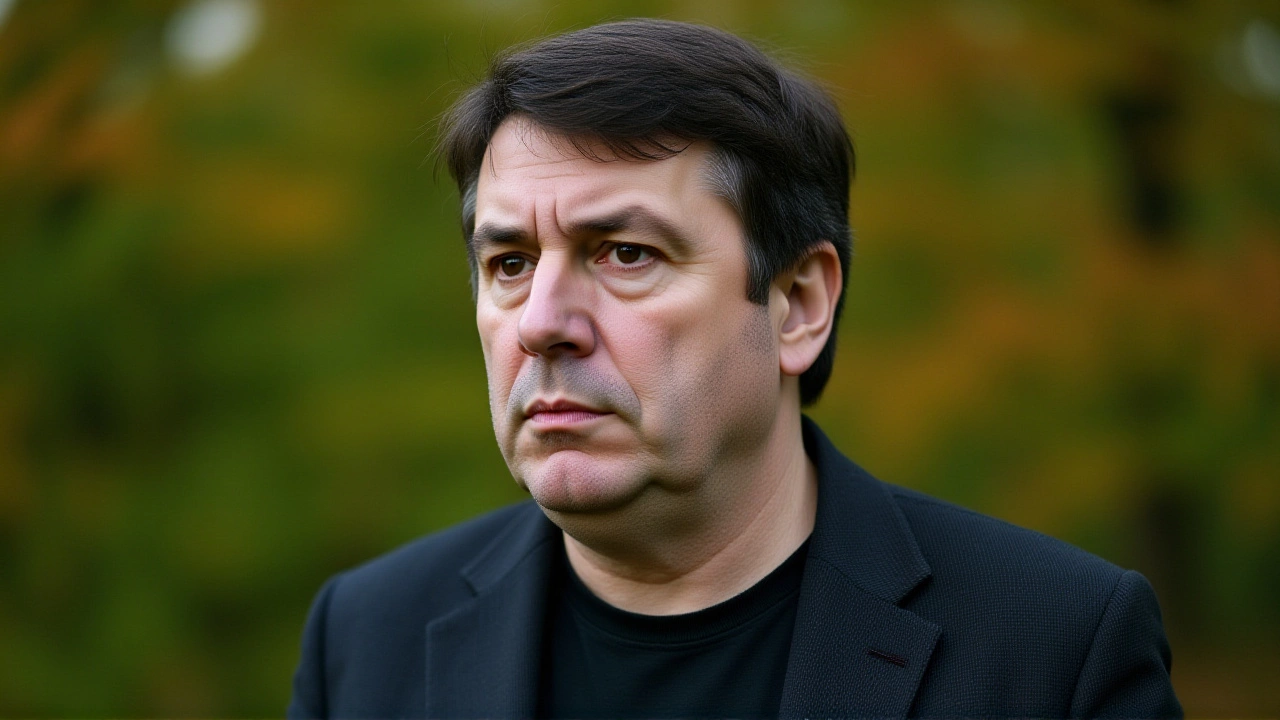
When Graham Linehan, co-creator of the beloved sitcom Father Ted, was found guilty of harassing transgender activist Tara Wolf in September 2022, the courtroom in London didn’t just hear a legal verdict—it heard the crackle of a cultural fault line. The conviction, handed down at Thames Magistrates’ Court, wasn’t just about tweets. It was about identity, power, and where free speech ends and harassment begins. Linehan, 54, received a 12-month conditional discharge, £1,200 in legal costs, and a £120 victim surcharge. But here’s the thing: no one knows what happened after that.
The Verdict That Shook the Media World
On September 26, 2022, Magistrate Elizabeth Rosenthal delivered a verdict that sent ripples through British media and LGBTQ+ advocacy circles. Linehan, who represented himself, was convicted on all three charges: two counts of harassment under the Protection from Harassment Act 1997 and one count of sending a malicious communication under the Malicious Communications Act 1988. The evidence? Forty-seven screenshots of tweets and direct messages where Linehan repeatedly referred to Wolf using male pronouns—even after she’d asked him not to. The Crown Prosecution Service, led by barrister Oliver Saxby, argued these weren’t just clumsy remarks; they were targeted, persistent, and deeply personal. Linehan didn’t deny sending the messages. His defense? That he was engaging in political speech about gender identity. But the court saw it differently. The pattern mattered. The timing mattered. The fact that Wolf had already been harassed online for years by others—and that Linehan’s messages came after she’d publicly identified as transgender—sealed the deal.What Happened After the Gavel Fell
Immediately after the verdict, Linehan told reporters he intended to appeal. That’s where the trail goes cold. As of December 2023, no appeal had been heard. No higher court ruling had been published. No settlement reached. No retrial scheduled. The Crown Prosecution Service didn’t issue any updates. The Metropolitan Police Service didn’t release new statements. And the UK Courts and Tribunals Judiciary website showed no further entries. That silence is telling. In Britain’s legal system, appeals against magistrates’ court decisions are typically heard by the Crown Court within months—not years. The fact that nothing moved for over a year after the verdict suggests either a delay, a withdrawal, or a settlement that was never made public. Neither Linehan nor Wolf has spoken publicly about the case since 2022. Wolf, who was supported by the charity Mermaids, has since stepped back from public activism. Linehan, meanwhile, continues to write and produce, but his public commentary on gender issues has become more muted.Why This Case Still Matters
This isn’t just about one man and one activist. It’s about the growing tension between two fundamental rights: the right to express controversial opinions and the right to be free from targeted, identity-based abuse. Professor Stephen Whittle OBE, a leading expert in equalities law, summed it up in 2021: “Linehan’s communications crossed the line from legitimate debate into targeted harassment by repeatedly misgendering an individual after being asked not to.” The case also exposed how social media platforms, particularly Twitter (now X), became battlegrounds for ideological clashes disguised as political discourse. The Centre for Countering Digital Hate documented over 230 tweets from Linehan between 2018 and 2020 that opposed gender recognition reform—many of them targeting specific individuals. His campaign group, We Need to Talk About Gender, operated out of London and attracted both supporters and fierce critics. What’s often lost in the noise is the human cost. Wolf wasn’t a political symbol. She was a woman trying to live her life without being dragged into a culture war. And Linehan? He wasn’t just a TV writer—he was a public figure whose platform amplified his words far beyond his followers.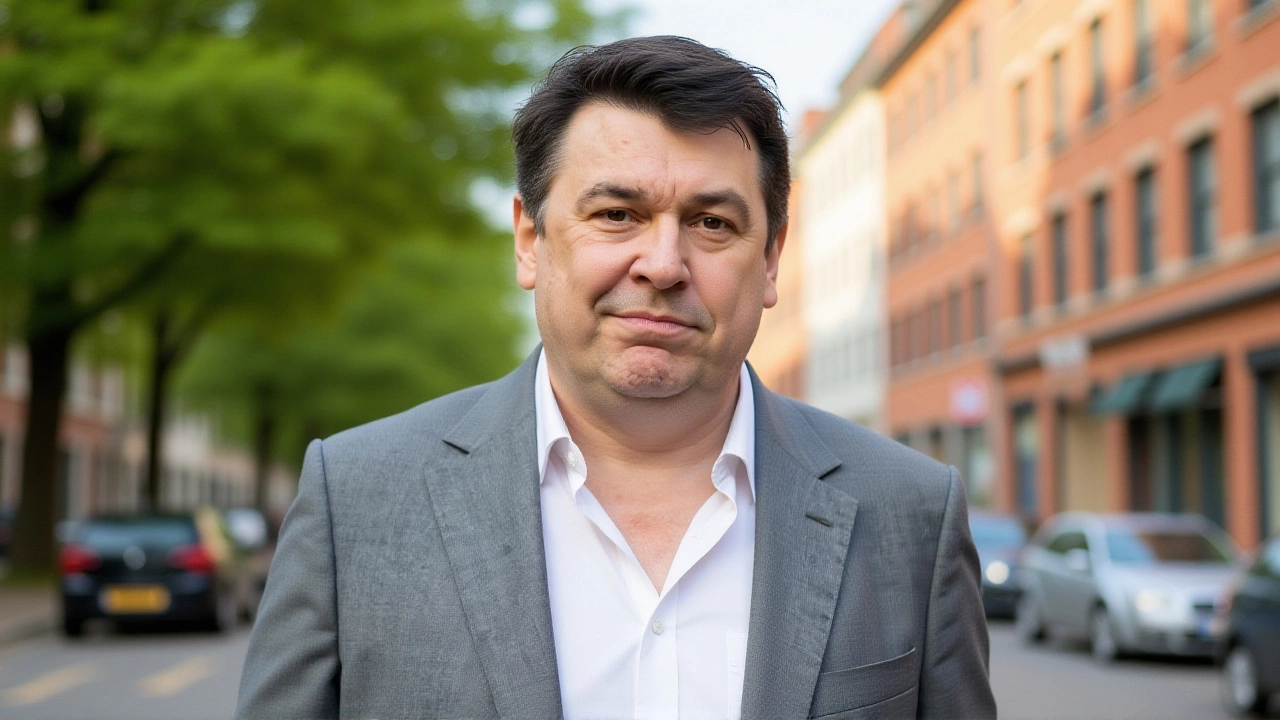
The Unanswered Questions
Did Linehan appeal? If so, what was the outcome? Was the conditional discharge upheld? Was the conviction overturned? Did he pay the £1,320? Did he apologize? Did Wolf receive any form of closure? The answers are missing. And that’s the real problem. In an age of instant news, silence speaks volumes. When a case involving a well-known public figure vanishes from public view, it raises questions about accountability. Was the legal system too lenient? Was the media too eager to move on? Or was this a case too politically charged for any side to risk reopening?What’s Next?
The only way to know the truth now is to go to the source. Legal records from the Crown Court in London, if any appeal occurred, should be accessible through BAILII or the UK Government’s Court and Tribunals Judiciary portal. Journalists and researchers looking for clarity must dig into those archives—not rely on rumors or social media claims. For now, the case remains suspended in time. Linehan’s conviction stands as the last official word. But in the court of public opinion, the verdict is still being debated.Frequently Asked Questions
Was Graham Linehan ever acquitted of the harassment charges?
No, Graham Linehan was never acquitted. He was convicted on all three charges on September 26, 2022, at Thames Magistrates’ Court in London. He received a 12-month conditional discharge, meaning no conviction would stand if he committed no further offenses during that period. There is no public record of an appeal being heard or a verdict being overturned as of December 2023, and no verified information exists for any developments after that date.
What were the specific legal charges against him?
Linehan was charged with two counts of harassment under the Protection from Harassment Act 1997 and one count of sending a malicious communication under the Malicious Communications Act 1988. The charges stemmed from 47 digital messages sent between May 2019 and February 2020, in which he repeatedly misgendered Tara Wolf after she requested he stop. The court found these messages constituted a sustained pattern of targeted abuse, not mere political disagreement.
Why hasn’t there been more news about this case since 2022?
The lack of updates suggests the appeal process may have stalled, been withdrawn, or resolved quietly. In the UK, appeals from magistrates’ courts are usually heard within a year. The silence from both parties and official channels is unusual for a case involving a public figure. Without verified court records from 2023 onward, the case remains legally unresolved in the public eye, even if privately settled.
How did the public and media react to the verdict?
Reactions were sharply divided. LGBTQ+ advocates hailed the verdict as a victory for protecting trans individuals from online abuse. Meanwhile, some free speech advocates argued the ruling set a dangerous precedent for political expression. Major outlets like The Guardian and The Independent covered the trial extensively, but coverage faded quickly after sentencing. The case became a flashpoint in the broader debate over gender identity, with both sides using it to reinforce their narratives.
What role did social media play in this case?
Social media was central. All evidence came from Twitter (now X), where Linehan posted over 230 messages opposing gender recognition reform between 2018 and 2020. The Centre for Countering Digital Hate archived these posts, showing a clear pattern of targeting individuals like Wolf. The case highlighted how platforms enable harassment to be both widespread and easily documented—making digital communications admissible as criminal evidence in ways that weren’t possible a decade ago.
Where can I find the most current information on this case?
For verified updates beyond December 2023, consult the UK Government’s Court and Tribunals Judiciary website or the BAILII legal database for any appeals filed in the Crown Court. Reputable UK news outlets like the BBC, The Guardian, or The Telegraph may have published follow-ups in late 2024 or 2025. Without access to those sources, no reliable information about the case’s current status exists.
Releted Post

Kendrick Fairhurst
Hello, I'm Kendrick Fairhurst, a seasoned expert in hotel and lodging, as well as the travel industry. I have dedicated years of my life to exploring and understanding the intricacies of these fields. My passion for traveling has led me to all corners of the globe, and I thoroughly enjoy sharing my expertise and experiences with others. I am an avid writer, with a particular focus on informative and engaging content about tourism. My ultimate goal is to inspire others to explore the world and discover the magic of travel.
Comments
Post Comment